Updated September 24, 2026
Disclosure: As an Amazon Associate, I earn from qualifying purchases. This comes at no extra cost to you and helps keep this site running.
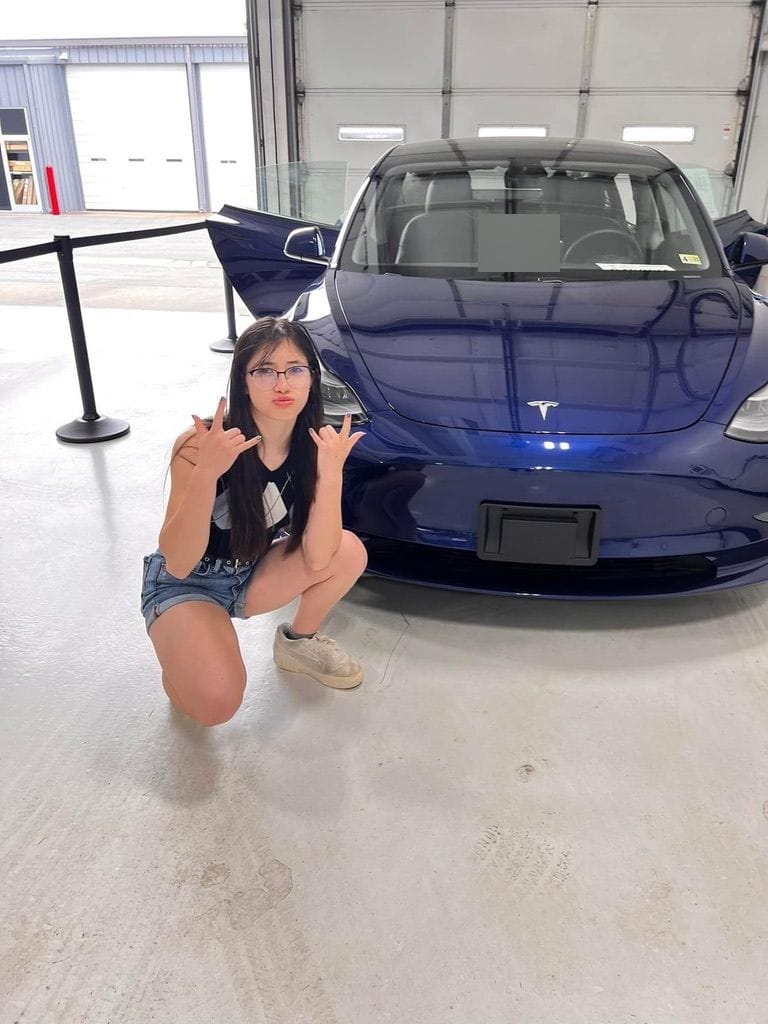
When my daughter started thinking about her first car, she wanted a Tesla, because they look cool and they’re also safe. The problem was mine. I had only ever owned Model Ys. I found out quickly that picking the best used Tesla Model 3 year means sorting through nearly a decade of changes Tesla never organized by model year. The chrome trim went away one year, the heater changed, the infotainment computer changed, and some of the changes happened mid-year on a random week of production.
I read a lot of forum threads and spec archives and ended up taking notes just to keep the changes straight. Those notes turned into this guide, so you can skip that part. I’ll walk you through every change that matters and how to verify what a specific car has before you hand over money. I also explain how I made my own decision, which was a 2021 for my daughter. If you’re shopping for a teen driver specifically, my used Model 3 as a first car guide pairs with this one.
One more note: the Model Y changed on a completely different schedule. If you’re cross-shopping, read my best used Tesla Model Y year guide alongside this one.
The One Rule Before Anything Else: Build Date Beats Model Year
Tesla doesn’t do traditional model years. Changes hit the production line whenever they’re ready — sometimes October, sometimes December, sometimes May. A “2021” Model 3 delivered in November 2020 already has the refresh; a “2022” built in early December 2021 may still have the older Intel chip.
Open the driver’s door and look at the sticker on the B-pillar (the door jamb). It shows the month and year the car was built. Every cutover in this guide keys off that date. Model year is just the 10th character of the VIN (H=2017, J=2018, K=2019, L=2020, M=2021, N=2022, P=2023, R=2024, S=2025, T=2026).
Best Used Tesla Model 3 Year: The Year-by-Year Rundown
| Model year | What changed | Used-buyer takeaway |
|---|---|---|
| 2017 | Launch (July 2017), Long Range RWD only, HW2.5 | Rare, roughest builds — collector curiosity, not a smart buy |
| 2018 | Mid Range, LR AWD, Performance added | Worst build-quality reputation; out of all warranty |
| 2019 | Standard Range Plus arrives; HW3 computer from ~April 2019 builds | Cheapest sensible entry; check which computer it has |
| 2020 | Quiet year — last of the chrome, resistive heater, radar | Cheapest “modern-ish” car, but no heat pump |
| 2021 | The big refresh: heat pump, chrome delete, powered trunk, wireless charging, double-pane front glass, metal scroll wheels | The value inflection point — this is the year I bought |
| 2022 | AMD Ryzen infotainment + Li-ion 12V (builds from ~Dec 2021); LFP battery in RWD; ultrasonic sensors deleted Oct 2022 | Refresh + faster screen; late builds lose USS |
| 2023 | Carryover; Long Range AWD returns spring 2023 | Cheapest way into Ryzen + heat pump + warranty years left |
| 2024 | Highland redesign: quieter cabin, comfort suspension, ventilated seats, rear screen, HW4 — and no stalks | Big comfort jump, big price jump; stalk-less controls divide people |
| 2025 | Highland carryover; LFP RWD dropped (Oct 2024) | Same generation as 2024 |
| 2026 | Turn-signal stalk returns + front bumper camera; new budget “Standard” trim | “Standard” is decontented (no Autosteer) — not the old Standard Range Plus |
2017–2020: The Pre-Refresh Cars
These are the cheapest Model 3s on the market, typically running $18,000–$23,000 as of mid-2026 (approximate — the market moves). You get the same basic car, but with chrome trim, a resistive electric heater instead of a heat pump (expect meaningfully more winter range loss), a manual trunk, no wireless phone charging, and the older Intel-based screen.
Two things to check hard on this group. First, the Autopilot computer: cars built before roughly April 2019 have HW2.5 unless upgraded. Second, the rear-camera trunk harness — Model 3s built from July 2017 through September 2020 were recalled because the harness wears out and kills the backup camera. Confirm the fix was done (run the VIN at nhtsa.gov/recalls).
Also know that every 2017–2018 car is now out of its 8-year battery and drive-unit warranty, and the 2019s are aging out now. That doesn’t make them bad cars — Tesla’s own fleet data shows around 15% average battery loss even at 200,000 miles — but you’re self-insuring, so the price needs to reflect it. (For what a worst-case pack costs, see my Tesla battery replacement cost guide.)
2021–2023: The Sweet Spot (and What I Actually Bought)
The refresh that entered production around October 2020 changed the car more than any single year before Highland: heat pump (much better cold-weather efficiency), matte-black exterior trim instead of chrome, powered trunk, the sliding-door center console with a dual-phone wireless charging pad, double-pane front windows, and metal scroll wheels.
This is where I landed for my daughter. Chrome delete and the wireless charging pad were the visible wins for her; the heat pump was the practical win for me. Going newer didn’t justify the extra cost — the 2022’s faster infotainment chip is nice, but it wasn’t worth thousands of dollars for a teenager’s first car. In 2024 I bought a 2021 Model 3 directly from Tesla’s used inventory with 22,000 miles for $25,000, and it’s been exactly the car we hoped for. Two years on, the only work it’s needed was both control arms and a seat occupancy sensor — all replaced under warranty, and all textbook examples of exactly the wear items this guide tells you to check for.
Within this window, the build date matters more than ever:
- Builds from ~December 2021 (mostly 2022 MY): AMD Ryzen infotainment — noticeably snappier, and required for some newer software features — plus a low-maintenance lithium-ion 12V battery replacing the failure-prone lead-acid one.
- From May 2021: radar deleted (Tesla Vision). In practice today the software runs vision-only on all of them anyway.
- Late 2021 through 2023 “RWD” (the renamed Standard Range Plus): many have an LFP battery. LFP is arguably a used-buyer’s friend — it tolerates daily 100% charging, so degradation anxiety is lower. Late-2021 cars can be either chemistry; check the individual car (an LFP car’s charging screen tells you to charge to 100% regularly).
- From October 2022: ultrasonic sensors deleted. Park assist is camera-based on these cars — it works now, but if you test-drive a late-2022 build, try it yourself.
- Ordered after April 17, 2022: no mobile charging cable included — check the trunk, because the previous owner may not hand one over.
Mid-2026 pricing for this group runs roughly $24,000–$28,000 (approximate), with 2021 Standard Range Plus cars at the bottom of the band — often close to pre-refresh money, which is why the 2021 keeps being the value answer.
2024–2026: Highland
The Highland redesign (US deliveries from January 2024) is the biggest comfort upgrade in the car’s history: a much quieter cabin, genuinely compliant suspension, ventilated front seats, an 8-inch rear touchscreen, ambient lighting, and the newer HW4 Autopilot computer.
The controversy: Tesla deleted the stalks. Turn signals became steering-wheel buttons, and gear selection moved to the screen. Some owners adjust in a week; some never stop hating it. Tesla blinked — 2026 cars have a turn-signal stalk again, and a factory stalk retrofit (about $595) exists for 2024–25 cars. If you’re test-driving a Highland, spend real time with the controls before deciding.
Used Highlands run mid-$30s and up (approximate, mid-2026). The 2024+ Performance (“Ludicrous,” 510 hp, adaptive dampers) is the one to target if you want the fast one.
Feature-by-Feature: Which Year Got What
Heat pump: 2021 model year onward (production from ~October 2020). Before that, a resistive heater. If you live anywhere with real winters, this is the single best reason to start your search at 2021.
AMD Ryzen vs Intel Atom screen: builds from ~December 2021. The car will tell you: Controls → Software → Additional Vehicle Information. Intel cars work fine but miss a growing list of features and render everything slower. No retrofit exists.
Chrome delete, powered trunk, wireless charging, double-pane front glass: all part of the 2021 refresh package.
Autopilot computer: HW2.5 (2017–early 2019) → HW3 (~April 2019) → HW4 (Highland, 2024+). Important in 2026: Tesla has confirmed HW3 cars won’t get unsupervised FSD — there’s an upgrade/trade-in path for people who bought FSD, but the practical advice is simple: don’t pay a premium for FSD on an HW3 car. I’ve now run FSD on both hardware generations in my own cars — my 50,000-mile FSD verdict covers exactly how much HW3 gives up.
Radar / ultrasonic sensors: radar deleted May 2021; ultrasonic sensors deleted October 2022. Bumpers with 12 little dots = USS car.
Batteries: Long Range grew from ~75 kWh to ~82 kWh with the refresh (353-mile rating). Standard Range Plus was nickel-based until LFP arrived in late 2021. LFP RWD cars (272 miles) were sold through 2024 in the US.
Included mobile connector: orders through April 17, 2022. After that, it’s a separate purchase.
Connectivity: cars ordered on or before July 20, 2022 have lifetime Standard Connectivity; later cars get 8 years from delivery. (Cars ordered by June 30, 2018 have free lifetime Premium Connectivity that survives a private sale — a genuine small perk on the oldest cars.)
CCS fast-charging adapter support: refresh cars (built from ~October 2020) support Tesla’s CCS adapter outright or with a cheap ECU update; older cars need a retrofit (roughly $350–450). Check the Tesla app under charging for the car’s adapter compatibility. With Superchargers everywhere and NACS taking over, this matters less than it used to — but road-trippers should know.
Which Used Model 3 Should You Buy?
Tightest budget (under ~$22k): a 2019–2020 Standard Range Plus with the trunk-harness recall done and an April-2019-or-later build date (HW3). Accept the winter-range hit from the resistive heater, and budget for a 12V battery and possibly control-arm bushings — the two classic wear items on these cars.
Most people (~$23–28k): a 2021–2023 refresh car. Heat pump, modern interior, years of battery warranty left. If the screen chip matters to you, target builds from December 2021 onward; if it doesn’t, the 2021 is the value play — it’s the exact call I made for my daughter’s car, and I’d make it again. An LFP RWD (2022–2023) is a particularly low-anxiety used battery.
Comfort-first or long-distance drivers (mid-$30s+): a 2024+ Highland. It’s a different car on the highway — quieter and smoother than anything before it. Try the stalk-less controls first, or target a 2026 (or a retrofitted 2024–25) if you want the stalk back.
Skip entirely: 2017–2018 unless you’re getting a screaming deal and know exactly what you’re inspecting. Earliest builds carry the worst quality era and zero warranty.
How to Verify What a Specific Car Actually Has
Run this checklist on the actual car — it takes five minutes:
- Door jamb sticker — build month/year. This one sticker resolves almost every question in this guide.
- Controls → Software → Additional Vehicle Information — shows Intel Atom vs AMD Ryzen and the Autopilot computer version.
- Trim/console look: matte black trim + sliding console with phone-charging tray = refresh (2021+). Chrome = pre-refresh.
- Bumpers: small round sensor dots = pre-October-2022 build (has USS).
- Charging screen: if the car tells you to charge to 100% regularly, it’s LFP.
- Trunk: confirm the mobile connector is actually in the car.
- VIN at nhtsa.gov/recalls: confirm the trunk-harness fix (2017–20 builds) and no open recalls.
- Battery health: ask for a screenshot of a 100% charge estimate vs the original EPA rating, and aim for roughly 88–90%+ on a 3–5 year old car. Warranty math: 8 years/100k miles (Standard Range/RWD) or 120k (Long Range/Performance) from the original delivery date, with a 70% retention floor.
- Test drive: listen for front-end creaks over bumps. Control arms are the Model 3’s signature wear item — my daughter’s 2021 had both replaced under warranty. Common, not catastrophic, and negotiable.
The Used-Model 3 Starter Kit
A few things I consider day-one purchases on a used Model 3 — especially one that’s missing what newer cars include. (The full list lives in my best Model 3 accessories guide.)
VICSEED MagSafe Phone Mount for Tesla
The clean fix for the older console: a solid MagSafe grip with no adhesive on the screen surround. If the car you buy predates the 2021 refresh, this is how your phone stops living in the cupholder.
Check Price on Amazon →bokman Portable Level 1/Level 2 EV Charger (NEMA 14-50, 25 ft)
Cars ordered after April 2022 didn’t come with a charging cable, and used listings often lose them regardless. This covers both a standard outlet and 240V charging until you install a wall unit — see my Level 2 home charger guide for that step.
Check Price on Amazon →GOOLOO A5 Jump Starter + Tire Inflator
The old-style 12V batteries fail with little warning, and a dead 12V bricks the whole car. Cheap insurance that also airs up tires.
Check Price on Amazon →PNY PRO Elite High Endurance 256GB + PNY Performance Prime USB-A Reader
Sentry Mode and the dashcam need fast, durable storage — and a microSD card can’t plug into the car by itself, so you need the PNY USB-A reader to pair with it.
Card on Amazon → Reader on Amazon →Frequently Asked Questions
What year did the Tesla Model 3 get a heat pump?
The 2021 model year — cars built from about October 2020 onward as part of the refresh. Every 2017–2020 Model 3 uses a resistive heater, which costs you noticeably more range in cold weather.
What year did the Model 3 switch from Intel to AMD?
Production from roughly December 2021, which mostly means 2022 model year cars. Some early 2022s built before the cutover still have Intel. Check Controls → Software → Additional Vehicle Information on the actual car — it says which chip it has.
When did the Model 3 lose the chrome trim?
The 2021 refresh. Matte black (“chrome delete”) trim, the powered trunk, and the wireless phone charging console all arrived together on 2021 model year cars.
Are LFP-battery Model 3s good used buys?
Yes — arguably the best used batteries Tesla sells. The LFP chemistry in 2022–2023 RWD cars tolerates charging to 100% daily, and Tesla actually recommends it. Range is lower (272 miles when new), but degradation worry is too.
Which used Model 3 years should I avoid?
2017 and 2018. They combine the roughest build-quality era, the oldest Autopilot hardware, and expired battery warranties. A 2019+ car costs only a little more and is a much safer bet.
Our Honest Verdict
The short answer is to buy a 2021–2023 Model 3. The 2021 refresh brought the heat pump, the updated interior, and the chrome delete, and prices on those cars now overlap with the older ones that have none of that. Go for a December 2021 or later build if the faster screen matters to you, and go for a Highland if comfort is the priority and the budget allows.
That is what I did with my own money. I bought a 2021, used from Tesla, for my daughter’s first car. It took me two years of research to land there, so you can skip that part and buy the refresh year.