Updated September 5, 2026
Disclosure: As an Amazon Associate, I earn from qualifying purchases. This comes at no extra cost to you and helps keep this site running.
This year you can buy a new EV for under $40,000 without giving up range. For a long time the cheapest electric cars were tiny, short on range, or both. That changed in 2026, when a wave of new and redesigned models landed under $40,000, and the best EVs under 40k come with real range (250–320 miles), fast charging, and the features most buyers want. Many of them also use the NACS (Tesla) charging port, which makes the Supercharger network an option for almost everyone.
The catch is that the $7,500 federal EV tax credit expired on September 30, 2025, so the prices in this guide are the real, unsubsidized numbers. Prices came down anyway. I have owned multiple EVs and have followed this market closely, and below are the new EVs under $40K that I think belong on your shortlist in 2026, ranked by overall value.
The Best New EVs Under $40,000 in 2026
1. Chevrolet Bolt — Best Value, Period ($28,995)
The all-new Bolt is back, and it’s once again the lowest-priced electric vehicle in America. At $28,995 including destination, it undercuts every rival by thousands. Chevrolet quotes an EPA-estimated 262 miles of range (finalized January 2026), and crucially, the new Bolt switches to a native NACS port — so it can road-trip on Tesla Superchargers out of the box. For commuters and budget-first buyers, nothing else comes close on dollars per mile of range.
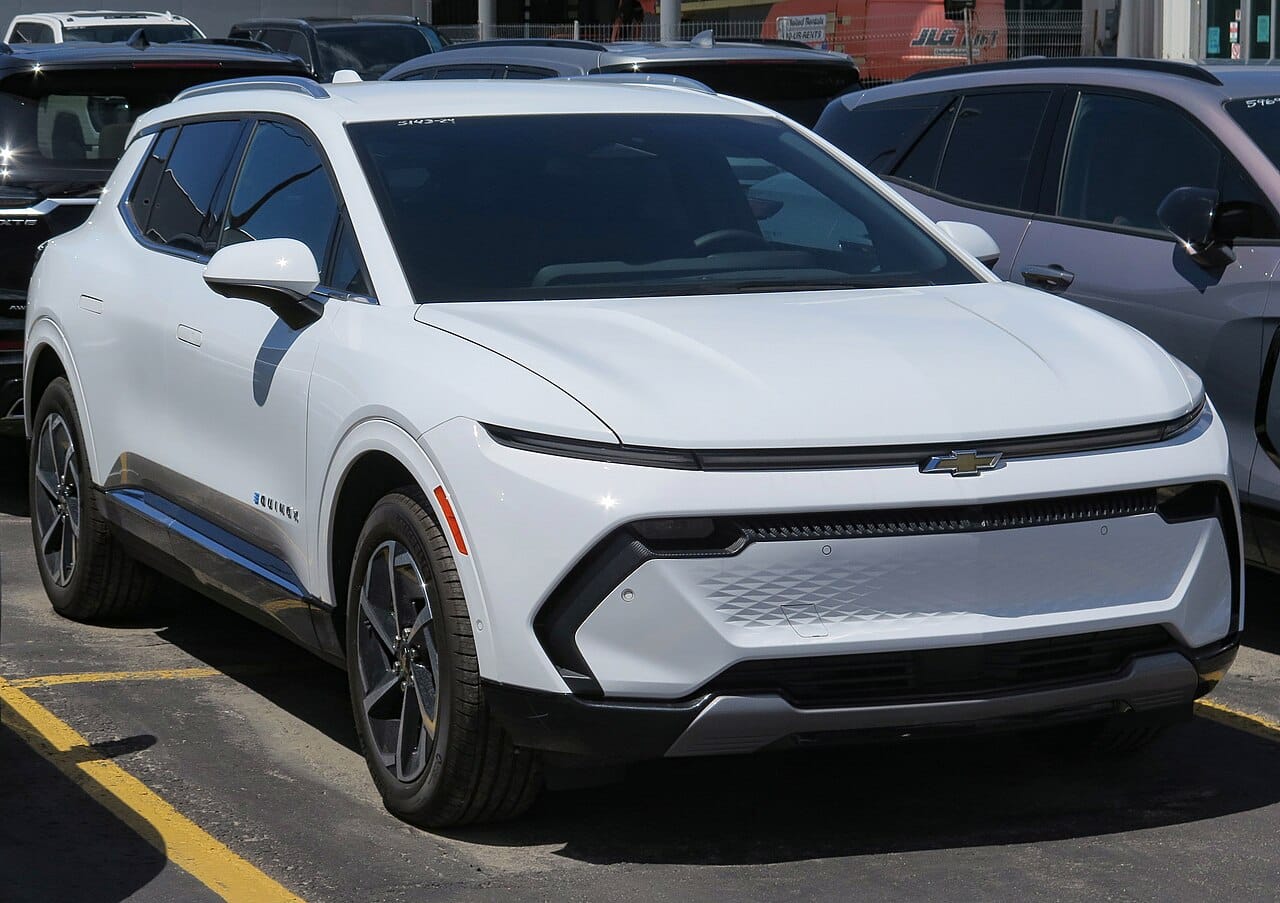
2. Chevrolet Equinox EV — Best Affordable SUV (~$36,495)
If you need an SUV, the Equinox EV is the headline value play. Pricing starts at $36,495 including the $1,395 destination charge for the 2026 front-wheel-drive LT, and top trims offer over 300 miles of range. You get a roomy cabin, a large touchscreen, modern driver assistance, and DC fast charging — a genuine family SUV at a price that used to buy a compact gas crossover. It’s the EV most likely to replace a Honda CR-V or Toyota RAV4 in a typical American driveway. If you’re set on an electric SUV, compare the Tesla Model Y vs Mustang Mach-E.
3. Tesla Model 3 Standard — The Entry Tesla ($36,990)
For 2026 Tesla finally offers a sub-$40K Model 3 again: the Standard at $36,990 (before the $1,640 order/destination fee). You give up some range (321 miles vs 363 on the Premium), ventilated seats, and the rear screen — but you keep the Supercharger network, over-the-air updates, Autopilot, and the best resale data of any Tesla. If brand, software, and charging network matter to you, this is the cheapest way into a new Tesla. We break down how it stacks up financially in our Model 3 vs Honda Accord cost-of-ownership analysis.
4. Nissan Leaf — Redesigned and Back in the Game
The Leaf was the original affordable EV, and its latest redesign makes it relevant again. The popular SV+ trim starts around $35,775, and Nissan quotes up to 288 miles of range for it (the base S+ trim reaches 303) — a massive leap over the old car — along with a NACS port for Supercharger access. It’s a sensible, comfortable hatchback-SUV for buyers who want a proven nameplate and a no-drama ownership experience.
5. Kia EV3 — The Stylish Wildcard (mid-$30Ks)
Kia’s smallest electric SUV, the EV3, brings the brand’s sharp design language and a well-sorted interior to the budget segment. Early U.S. pricing points to base models landing in the mid-$30,000s, with competitive range. If you like the look and tech of the pricier EV6 and EV9 but want to stay under $40K, the EV3 is the one to watch — cross-shop it against the Equinox EV.
6. Subaru Uncharted & Toyota C-HR EV — AWD Under $40K
Two new entrants prove you can even get all-wheel drive in this price band. The Subaru Uncharted sneaks in at $36,445 in base Premium FWD form, with AWD versions available. And the reborn, fully electric Toyota C-HR starts at $38,450 with standard dual-motor AWD and a punchy 338 horsepower. For snow-belt buyers who won’t go front-drive, these are the affordable AWD options to put on the list.
Quick Comparison: New EVs Under $40,000 (2026)
| Model | Starting Price* | Est. Range | Best For |
|---|---|---|---|
| Chevrolet Bolt | $28,995 | 262 mi | Lowest price overall |
| Kia EV3 | ~$35,000 | Competitive | Style & tech on a budget |
| Nissan Leaf SV+ | $35,775 | up to 288 mi | Proven, comfortable |
| Subaru Uncharted | $36,445 | Competitive | Available AWD |
| Chevrolet Equinox EV | ~$36,495 | up to ~319 mi | Best affordable family SUV |
| Tesla Model 3 Standard | $36,990 | 321 mi | Entry Tesla, Supercharging |
| Toyota C-HR EV | $38,450 | Competitive | Standard AWD, 338 hp |
*Starting prices as of 2026; some include destination, some don’t — always confirm the out-the-door figure. No federal EV tax credit applies; check your state for any remaining EV incentives.
The Smart-Money Move: A Lightly Used Model 3
Here’s the option most “best new EV” lists won’t tell you about: the used market. Tesla’s price cuts of 2022–2024 pushed used Model 3 values down hard, and the result is a buyer’s bonanza. As of 2026, clean 2021–2022 Model 3s routinely list in the high-$20,000s to mid-$30,000s at CarMax and Carvana — meaning you can get a real Tesla, with Supercharging and Autopilot, for Bolt money. The heavy depreciation already happened on someone else’s dime.
Frequently Asked Questions
Can you still buy a new EV under $40,000 without the federal tax credit?
Yes. The credit ended September 30, 2025, but several new EVs sticker under $40K on their own — the Chevy Bolt (~$28,995), Equinox EV (~$36,495), and Tesla Model 3 Standard ($36,990).
Is a new budget EV or a lightly used Model 3 the better buy?
It depends on priorities. A new Bolt or Equinox gives full warranty and the latest tech; a 1–3-year-old Model 3 lets the first owner absorb the steep early depreciation, often landing you more car for the money.
Do these affordable EVs use the Tesla (NACS) charging port?
Increasingly yes — the new Bolt ships with a NACS port, and most 2026 models include NACS or a NACS adapter, giving access to Tesla Superchargers.
What should I budget beyond the purchase price?
Home charging. A Level 2 home charger plus installation is the biggest add-on cost — budget for it up front, since it’s what makes an EV cheap to run.
Don’t Forget the Cost of Charging at Home
Whichever EV you choose, the single best upgrade you can make is a Level 2 home charger (or a Level 1 charger if you rent) — it turns “range anxiety” into “wake up full every morning.” Budget $400–$700 for the unit plus installation, and note that the federal 30C home-charger tax credit expired June 30, 2026, so plan on the full cost — though many state and utility rebates still offset part of the install. See our ranked picks in the best Level 2 home EV chargers guide, and grab a quality unit below.
Level 2 Home EV Charger (240V, 40–48A)
A quality Level 2 charger adds 25–35 miles of range per hour — the difference between an EV that fits your life and one that doesn’t. Works with every EV on this list.
Check Price on Amazon →Our Honest Verdict
2026 is the first year that buying a new EV under $40,000 is easy, and you do not need a tax credit to make the numbers work. The Chevy Bolt ($28,995) is the clear value pick, the Equinox EV is the one to get if you need a family SUV, and the Model 3 Standard is the cheapest way into a Tesla. If you are willing to buy used, a 2021 or 2022 Tesla Model 3 in the high $20Ks may be the smartest buy of all. Whatever you choose, add a Level 2 home charger, and check your state and utility for charger rebates, since the federal 30C credit expired in June 2026.
Related Guides
One more path to consider before buying new: a 1–3-year-old used EV often beats every car on this list on pure value. See my best used EVs of 2026 guide for what 30–60% off MSRP buys right now.